Sommario
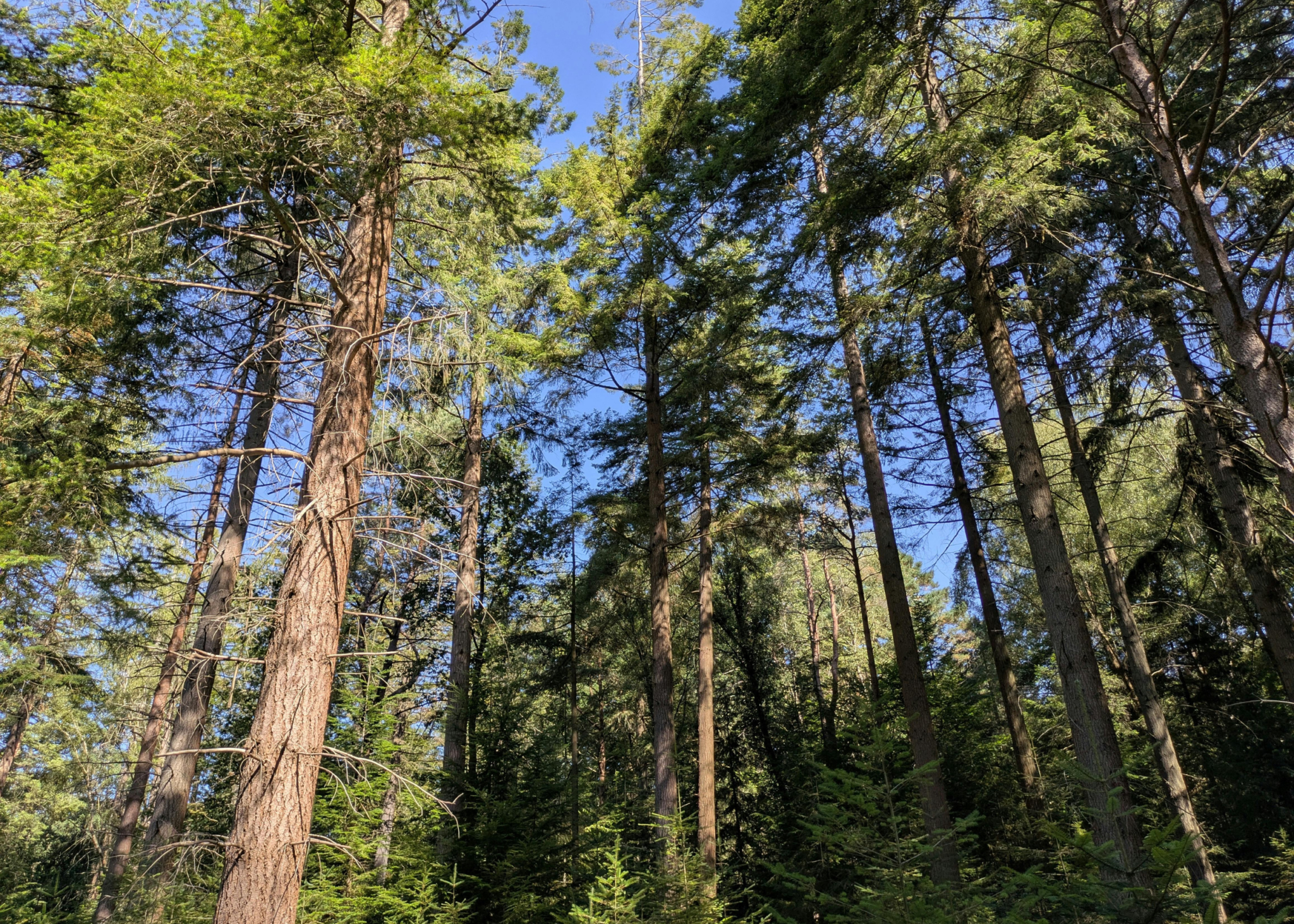
Every year on 21 November, Italy’s National Tree Day highlights the essential role forests play in climate regulation, biodiversity, and quality of life. In 2025, this anniversary carries an even more urgent meaning: between January and October, more than 94,000 hectares of forests burned in Italy — almost double the amount recorded in 2024 (Legambiente). This is compounded by insufficient forest management — only 18% of Italian forests have a management plan — and a strong reliance on foreign wood imports, which account for over 80% of national consumption.
In this context, Tree Day underscores the importance of protecting and regenerating forest heritage by promoting reforestation and more circular production models. A positive sign, however, comes from 2024: more than 3 million trees were planted, a 31% increase compared to the previous year, with an estimated annual economic return of €20 million (Helpconsumatori).
The European Regulatory Framework: the Nature Restoration Law
On 18 August 2024, the Nature Restoration Law (EU Regulation 2024/1991) entered into force — the first European law requiring Member States to restore at least 20% of terrestrial and marine areas by 2030 and all degraded ecosystems by 2050.
Within this framework, projects such as Wood2Wood, of which R2M Solution is a partner, play a strategic role: they foster the sustainable use of forest resources and support the recycling and reuse of wood, reducing pressure on primary forests.
Wood2Wood: Turning Waste into Resources
Demand for wood in Europe continues to grow, yet waste management still prioritises landfilling and energy recovery over material recycling. In addition, contaminated wood is often difficult to recover due to impurities accumulated throughout its lifecycle.
To address these challenges, Wood2Wood (W2W) — a European initiative funded by Processes4Planet — is developing advanced technologies to transform wood waste from construction, demolition, and furniture into new, high-value products. The goal is to build a supply chain in which wood is recovered, cleaned, sorted, and reintroduced into the market, reducing pressure on primary forests and supporting EU environmental restoration targets.
Project Objectives
W2W aims to create an advanced model for the valorisation of recycled wood through:
- A cascade recycling framework, reducing CO₂ emissions, landfill waste and the use of primary resources.
- Enhanced separation and sorting mechanisms, supported by human–robot collaboration and advanced technologies.
- More sustainable upcycling processes, ensuring consistent quality of recycled materials, removing unwanted additives, and optimising resource use through cascading refinement, chemical bioremediation, and the recovery of energy, gas, and ashes.
- Innovative digital tools for monitoring and detection, promoting data sharing aligned with FAIR principles (Findable, Accessible, Interoperable, Reusable).
- Validation through real-world use cases, with recycled materials achieving performance levels comparable to primary materials.
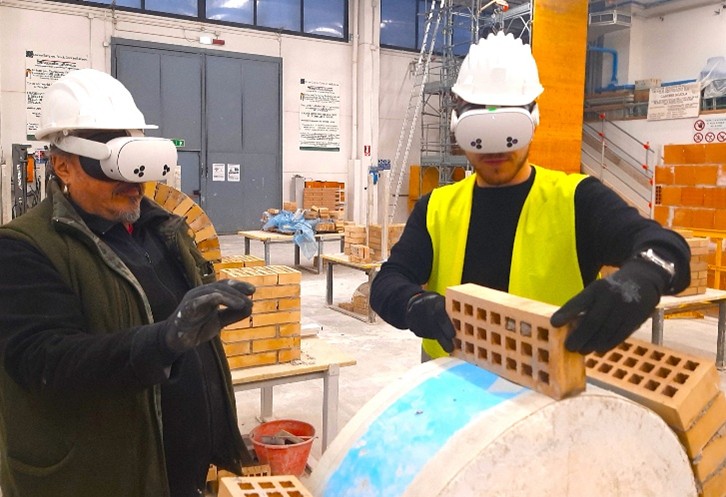
- Development of new skills across the recycling value chain, strengthening industrial competitiveness and supporting the uptake of sustainable practices.
Towards a More Sustainable Future
On Tree Day 2025, projects like Wood2Wood show that forest protection goes beyond planting new trees — it also relies on the ability to enhance and reuse every resource. Turning waste into opportunity means reducing dependence on virgin wood, cutting emissions, and moving towards a truly circular system.
R2M Solution believes in the power of research and innovation to accelerate this transition. Follow our commitment to circularity and recovery: explore our portfolio of research projects.