
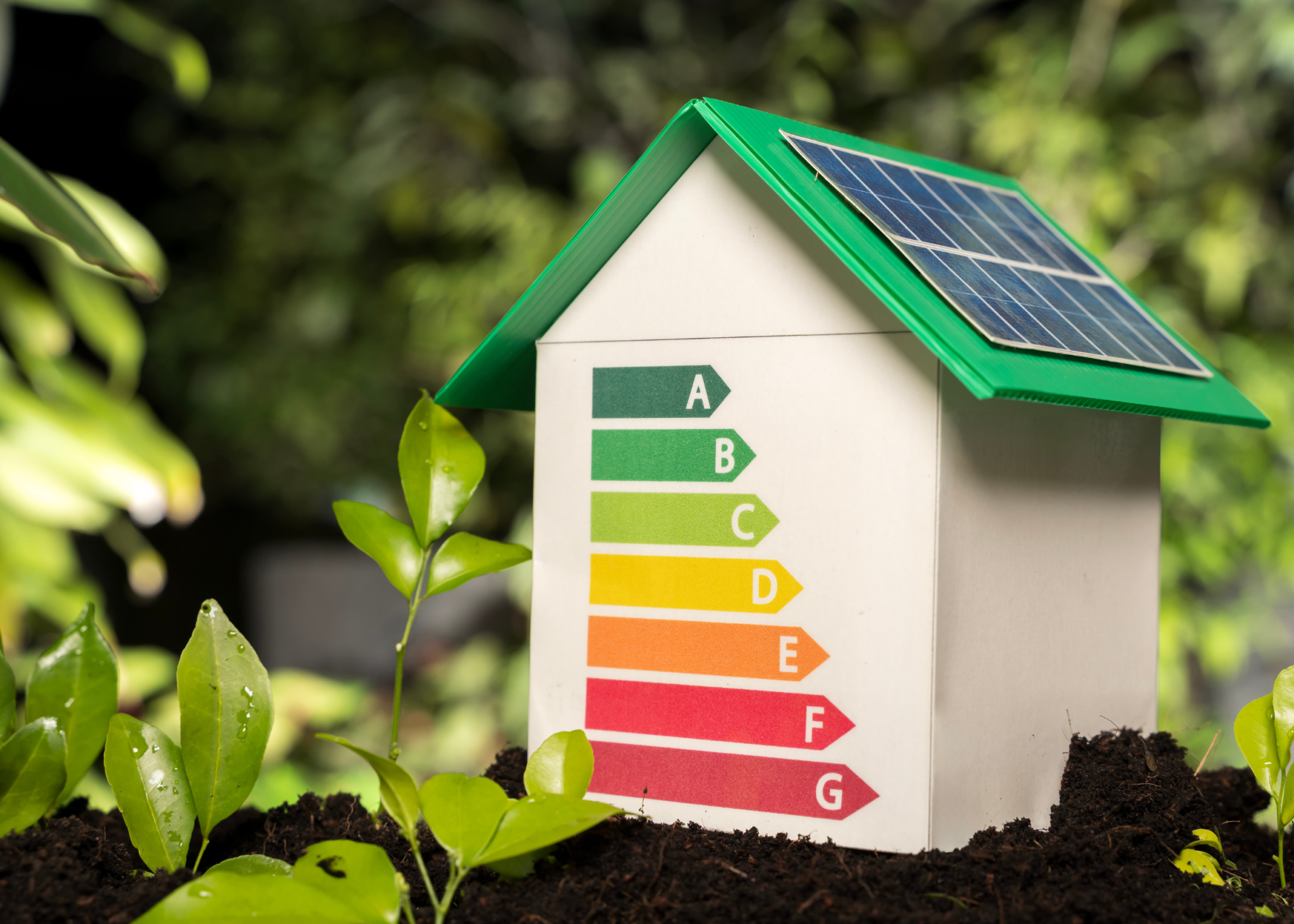
The State of Energy Performance Certificates (EPCs) in Italy: Progress and Challenges

The Energy Performance Certificate (EPC) is now one of the key instruments used to describe the energy performance of buildings and to guide decision-making in the real estate sector. Introduced into the Italian legal framework following the 2002 EPBD Directive, it has gradually become a mandatory requirement for property sales and rentals. Beyond its regulatory role, however, the EPC still struggles to fully express its potential as a strategic lever to drive the transformation and renovation of Italy’s building stock.

An overview of the current state of play is provided by the Annual Report on Building Energy Certification published by ENEA, which offers an updated picture of the diffusion and evolution of EPCs in Italy within the broader framework of European energy policies. All data and considerations presented in this article refer specifically to the Italian context.

Why the EPC Can Become a Cornerstone of the Future Real Estate Market

For many years, the EPC has accompanied the Italian real estate market as a consolidated and mandatory tool. However, its use is often limited to specific moments, without fully leveraging the informational value it could provide over time. The ENEA report suggests moving beyond this logic, promoting a more continuous and coherent use of the EPC throughout the entire lifecycle of buildings.

Under the new directive, the EPC is expected to play a central role, becoming a foundational tool for new applications and functions: from the Building Passport to the Digital Building Logbook, and through integration with the Smart Readiness Indicator (SRI), designed to assess the “smartness” level of buildings. From a regulatory perspective, the EPC is also set to support the definition of National Building Renovation Plans, which EU Member States must prepare by 2026.

This scenario highlights the importance of increasingly comprehensive data collection that is not only extensive but also digitalised and interoperable, enabling information exchange and reuse for multiple purposes—from real estate markets to public policy. To achieve this, however, the current regional fragmentation of EPC systems and registries in Italy must be overcome, as it currently limits effectiveness and reduces overall data reliability.


What the Data Tell Us: Signs of Improvement in Italian Energy Classes

Distribuzione percentuale dei dati APE 2024 per classe energetica
Percentage distribution of 2024 EPC data by energy class for residential (a) (N = 1,071,871) and non-residential buildings (b) (N = 136,839) (Source: Annual Report on Building Energy Certification – 2025 Edition, ENEA)

The most recent EPC data indicate an overall positive trend in the Italian building stock. Although buildings in the least efficient energy classes (F–G) are still predominant, there is a gradual shift towards intermediate and higher classes (C–E), suggesting that renovation measures are beginning to deliver measurable results.

This improvement is particularly evident in the non-residential sector, where the reduction of highly energy-intensive buildings is progressing more rapidly and the share of assets with medium-to-high performance levels (A4–B–C–E) is increasing. This trend confirms that targeted investments, more efficient technologies and the integration of renewable energy sources can accelerate the energy transition, especially in productive and tertiary buildings.

Overall, the picture that emerges is one of a market moving in the right direction, but still in need of continuity in interventions and structured policies to consolidate progress and significantly reduce the share of obsolete energy classes.


Property Transfers and Rentals: the EPC Remains Transaction-Driven

Despite the gradual improvement in energy performance, the issuance of EPCs in Italy continues to be largely driven by obligations linked to real estate market dynamics. Property transfers and rental agreements remain the main reasons for issuing certificates, often concerning existing buildings with medium-to-low energy performance and limited integration of renewable energy sources.

Conversely, EPCs associated with energy renovation measures and major refurbishments are slightly declining, reflecting the impact of reduced public incentives for this type of intervention. This imbalance highlights how the EPC is still mainly used as a formal and documentary requirement, rather than as a strategic tool to support energy improvement actions.


Financing Renovation: a Barrier Yet to Be Overcome

Main obstacles to the approval of energy efficiency interventions (Source: Annual Report on Building Energy Certification – 2025 Edition, ENEA)

The data clearly show that access to finance remains one of the main barriers to energy renovation in Italy. Despite long-term benefits, the added value of energy-efficient buildings is still not fully reflected in investment decisions or in financial and economic assessments.

Recurring challenges include a limited perception of the cost–benefit ratio, regulatory uncertainty and the discontinuity of incentive schemes, all of which complicate the planning of renovation measures. These factors are compounded by operational difficulties and limited understanding of technical and digital tools—particularly among non-specialised users—further slowing down renovation processes.

In this context, as highlighted by the ENEA report, there is a clear need to strengthen the role of energy assessment tools, making them simpler, more readable and more reliable.

A more effective use of the EPC could help reduce information asymmetry between owners, investors and financial institutions, enabling more informed decisions and improving access to the capital needed to support the energy transition of the Italian building stock.


Towards Simpler and More Digital Processes: SmarterEPC

The standardisation of processes and data collection for EPCs and the Smart Readiness Indicator—requiring new approaches and implementation methods—represents a key step not only at national level but also across Europe.

To improve the understanding of EPCs, enhance their digitalisation and enable integration with SRI assessments, R2M Solution is involved in the LIFE SmarterEPC initiative. The project aims to streamline and standardise EPCs and SRIs starting from on-site data collection, through new audit methodologies, an interoperable digital hub, and free, certified training tools for professionals and institutions, in line with ISO 52000 standards and the provisions of the new EPBD IV.

Vous pourriez également être intéressé par

Generic selectors
Exact matches only
Search in title
Search in content
Post Type Selectors
post
page
webinar
team-members
evenements
eu-projects
caso-studio