Sommario
The construction sector in Europe is undergoing a profound transformation. The twin transition — sustainable and digital — is redefining processes, roles, and skills, making it essential to upskill the workforce. To face this change, professionals, trainers, and companies must acquire the right tools and knowledge to manage digital technologies, new design models, and the challenges of decarbonisation.
The sector employs around 13 million people and generates 9% of the EU’s GDP, but it is facing a severe shortage of skilled labour and an ageing workforce. By 2035, about 4 million workers will retire, while the demand for skills in smart buildings, renewable energy, and advanced efficiency systems continues to grow.
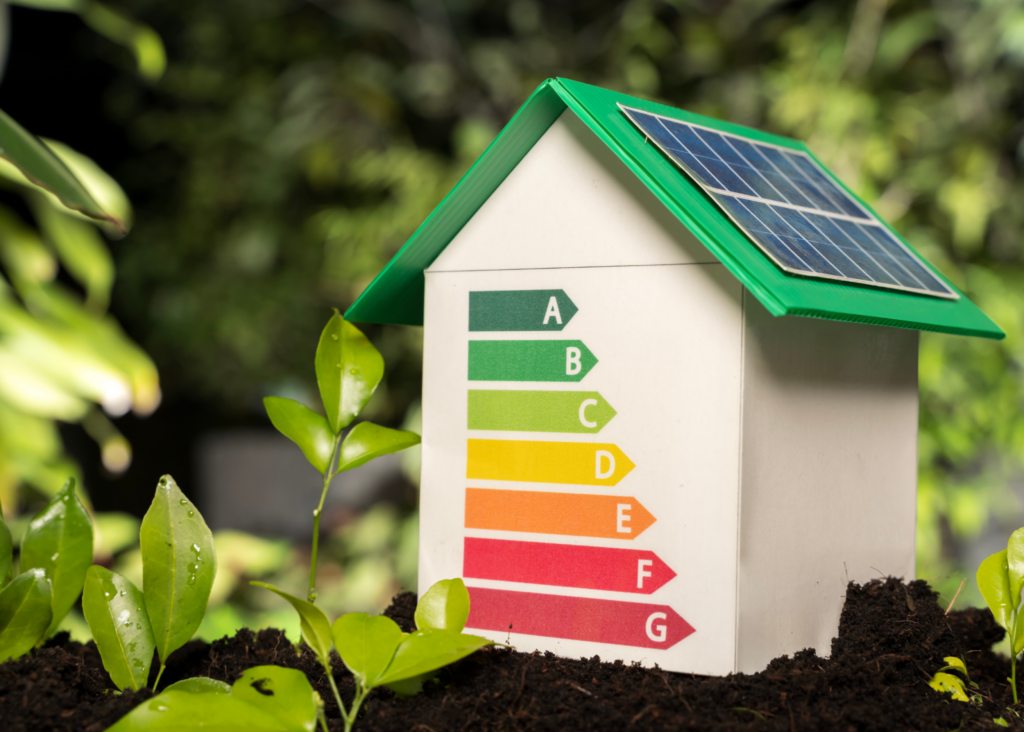
According to BUILD UP, buildings account for 40% of energy consumption and 36% of CO₂ emissions in the EU, making the sector central to the climate transition. However, 55% of workers have only a medium level of education, and many technical professions — such as civil engineers, skilled masons, and HVAC technicians — are now at risk of shortage. The introduction of the Smart Readiness Indicator (SRI), digital Energy Performance Certificates (EPCs), and certifications such as LEED, BREEAM, and WELL require a rapid evolution of professional skills.
European policies and programmes for workforce training
To address these challenges, the European Union has developed a strategic framework integrating education, innovation, and industrial policy.
The revision of the Energy Performance of Buildings Directive (EPBD), together with the Renewable Energy Directive (RED) and the Energy Efficiency Directive (EED), introduces national training strategies and qualification systems dedicated to professionals in energy efficiency and renewable technologies.
In parallel, initiatives such as BUILD UP Skills and the Green Deal Industrial Plan promote upskilling platforms and net-zero industrial academies, while the European Skills Agenda and the recent Union of Skills (2025) strengthen collaboration among institutions, companies, and training centres to ensure workers acquire the skills needed for the green and digital transition.
Complementary funding instruments — including Erasmus+, ESF+, the Just Transition Fund, and InvestEU — support technical and managerial reskilling pathways across strategic sectors of the European economy.
TEXIVOS – Innovation and immersive learning
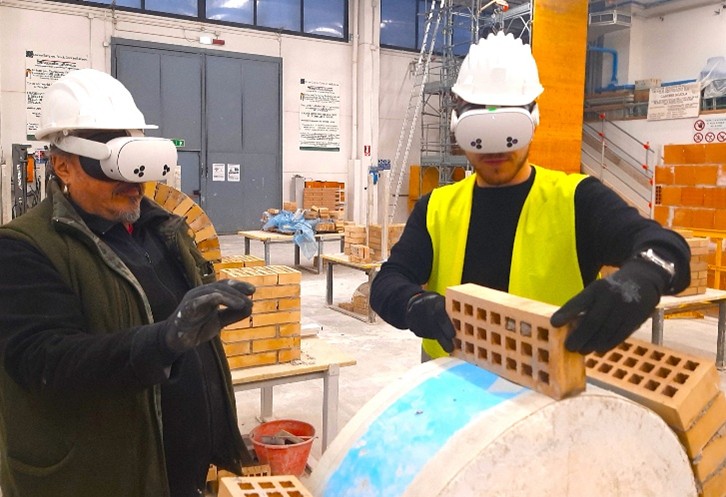
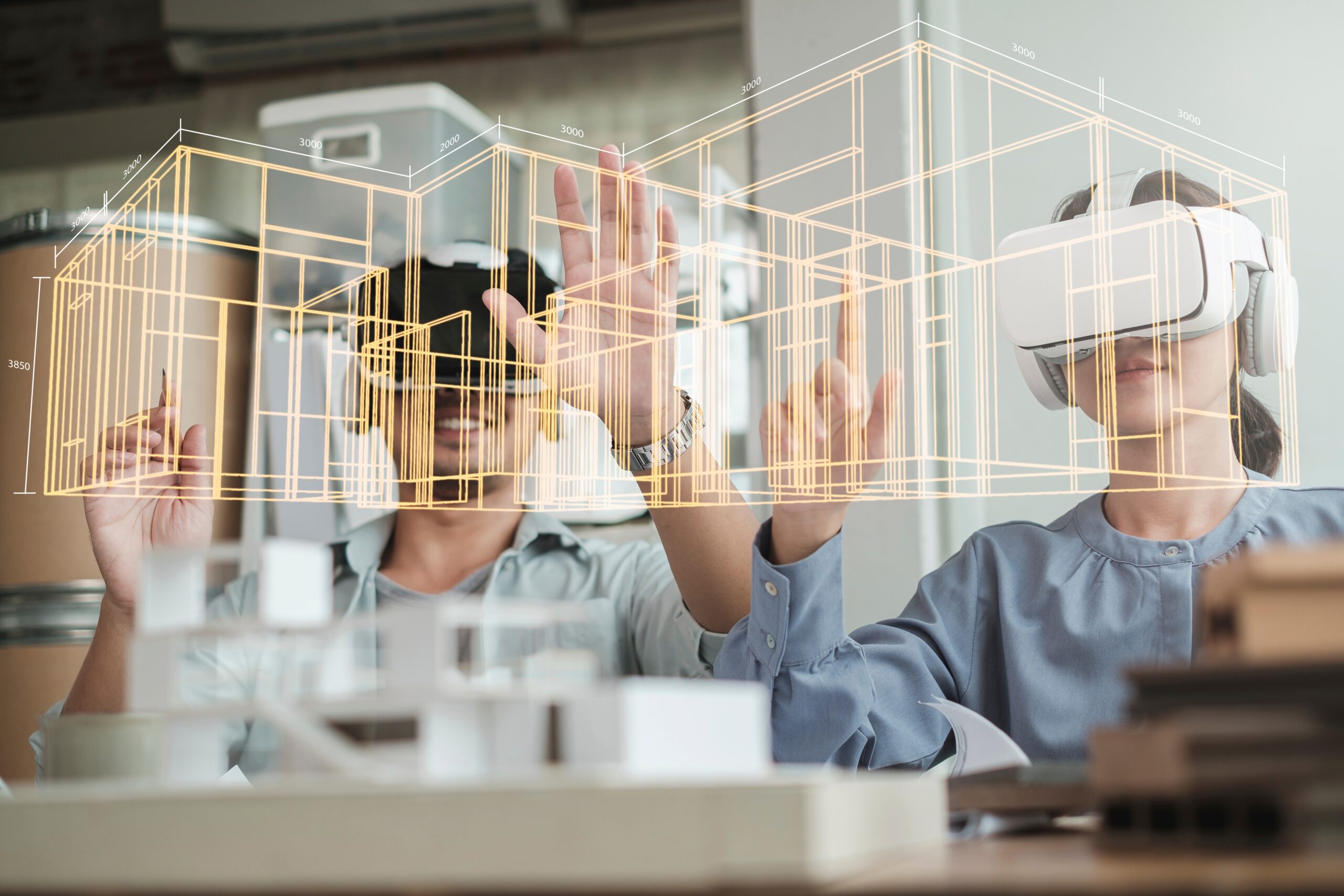
Coordinated by R2M Solution under the Horizon Europe XR4ED programme, TEXIVOS (Testing XR4ED in Vocational Schools) introduces Augmented and Virtual Reality (XR/VR) into vocational training for construction operators through the EXTRA (EXtended TRAining) methodology.
In collaboration with IIPLE – Scuola Edile di Bologna, the project combines immersive simulations and hands-on activities in Living Labs, where students can practise realistic scenarios related to safety, assembly, and workflow management.
The project also integrates AVANTI, software developed by R2M Solution that uses Artificial Intelligence to personalise competence assessment throughout the learning process. As noted by Luisa Sileni, head of training at IIPLE, this approach increases the engagement of digitally native students and allows them to experience potentially dangerous situations in a safe and controlled environment.

TEXIVOS demonstrates how technology can become a powerful ally for education, improving learning quality and reshaping how younger generations perceive technical professions.
ET4Digital – Supporting SMEs in their digital transformation
The ET4Digital project was created to support the digital transition of SMEs in the construction sector, which still shows heterogeneous levels of technological maturity. The goal is to strengthen trainers’ skills and promote a shared digital culture.
R2M Solution led the study “Analysis of the Digital Ecosystem in the Italian Construction Sector”, which examined the degree of digitalisation and the main barriers to adopting emerging technologies. The study revealed that widely used tools such as BIM, IoT, and 3D modelling coexist with a still limited use of AI, Digital Twins, and XR/VR technologies, hindered by high initial costs and a lack of specialised training.
Based on these results, R2M and its consortium partners are designing a modular training programme, tested across seven European countries, which will provide guidelines and tools to validate digital skills and foster a more mature approach to innovation.
Skills, innovation, and sustainability
Through projects such as TEXIVOS and ET4Digital, R2M Solution is actively contributing to the development of a more qualified workforce, capable of supporting the ecological and digital transformation of the European construction sector.
An ongoing commitment that combines education, research, and technology, with the goal of making the built environment smarter, more efficient, and sustainable.